Designed Around Your Workflow
Your departments, approvals, responsibilities, reports, and working processes define the software instead of forcing the business into generic software.
We develop custom business platforms that connect sales, customers, projects, employees, inventory, procurement, finance, reporting, mobile users, and operational workflows.
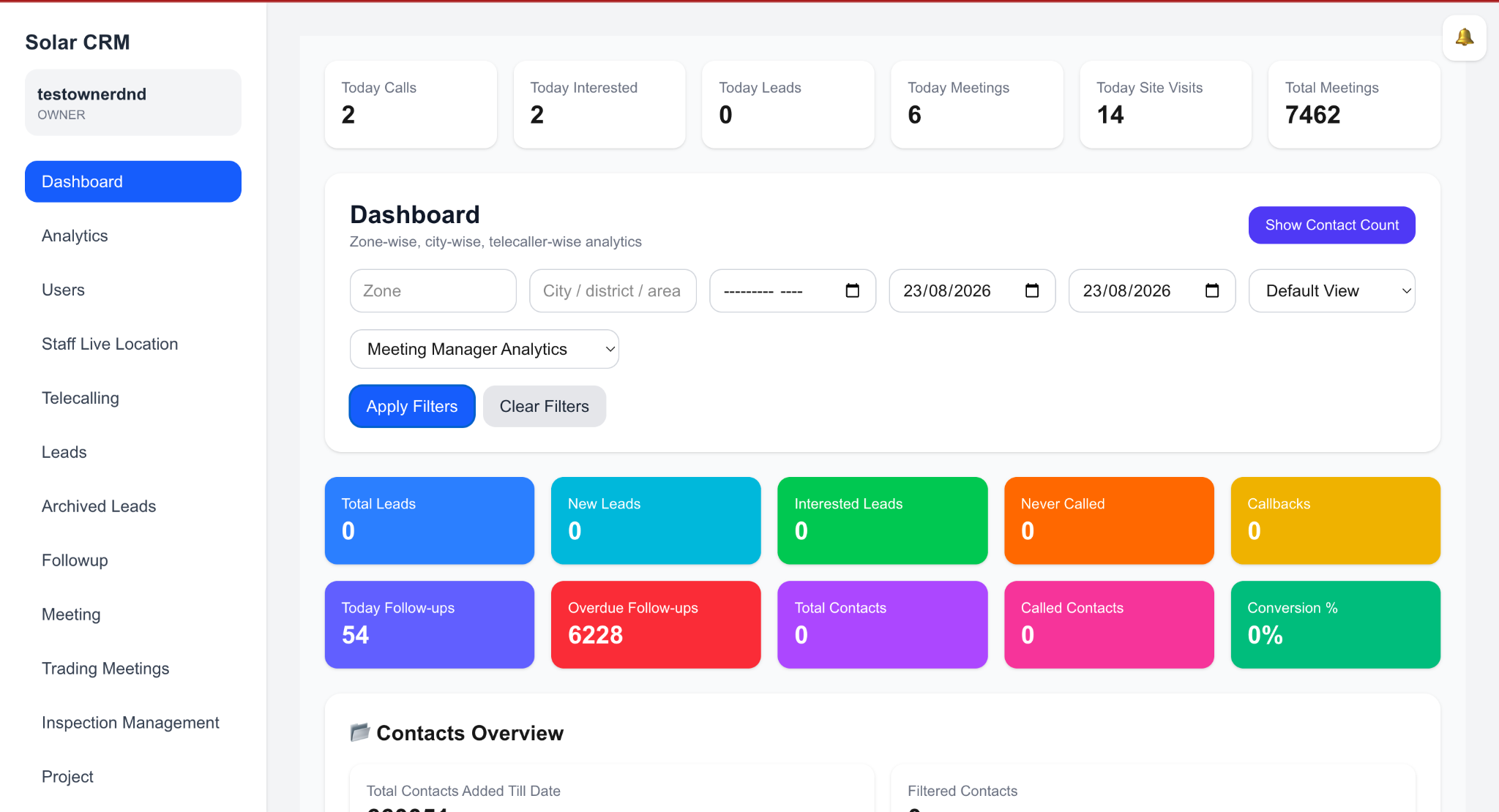
Connected business platform
When both systems are designed together, sales information can flow naturally into projects, operations, payments, customer service, reporting, and other departments.
Custom CRM
CRM functionality can be designed around the way enquiries, leads, teams, meetings, follow-ups, customers, and sales decisions actually move through your organisation.
Custom ERP
ERP modules can connect operational departments and give management shared information instead of maintaining independent records across disconnected tools.
Production experience
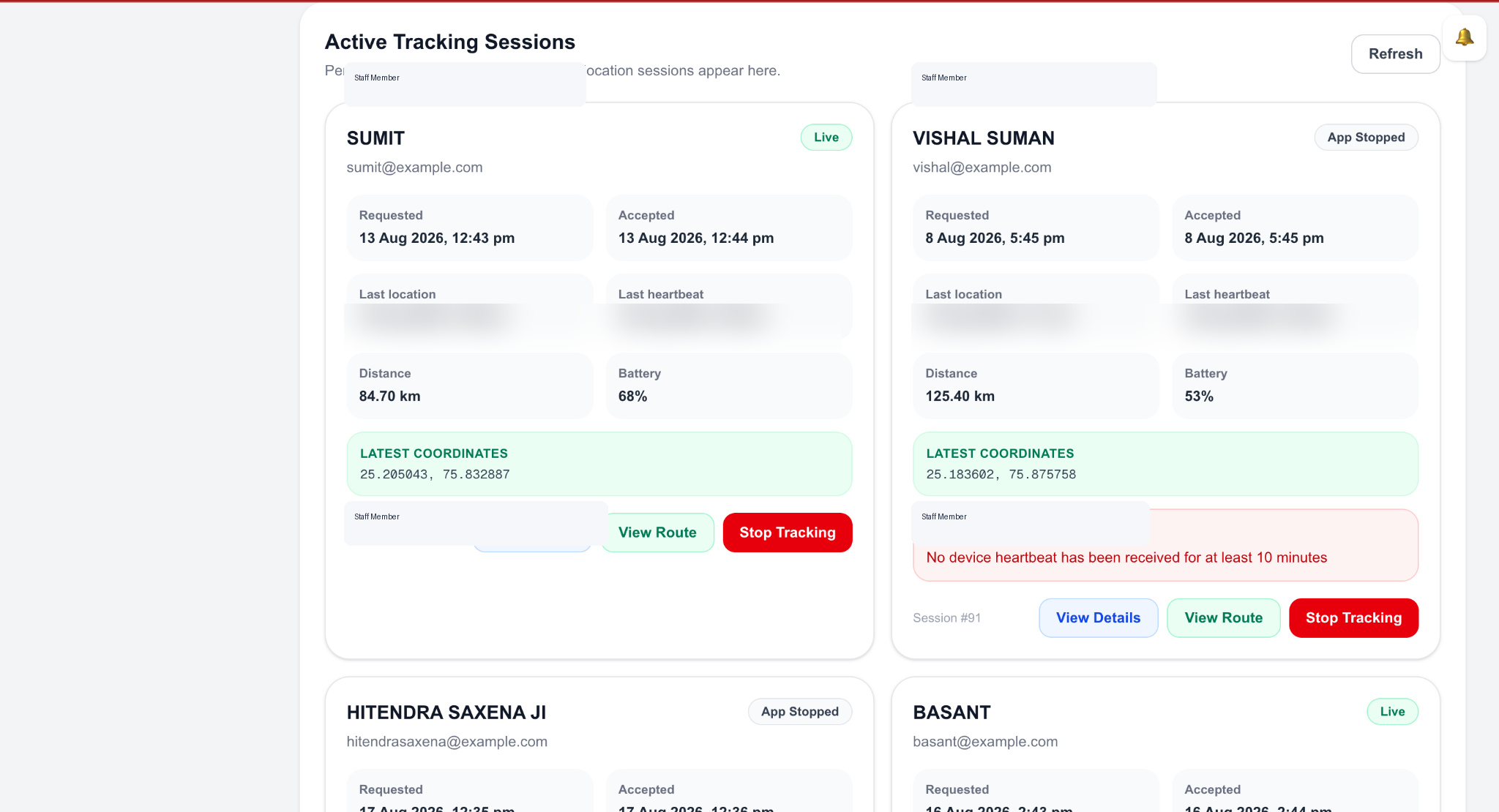
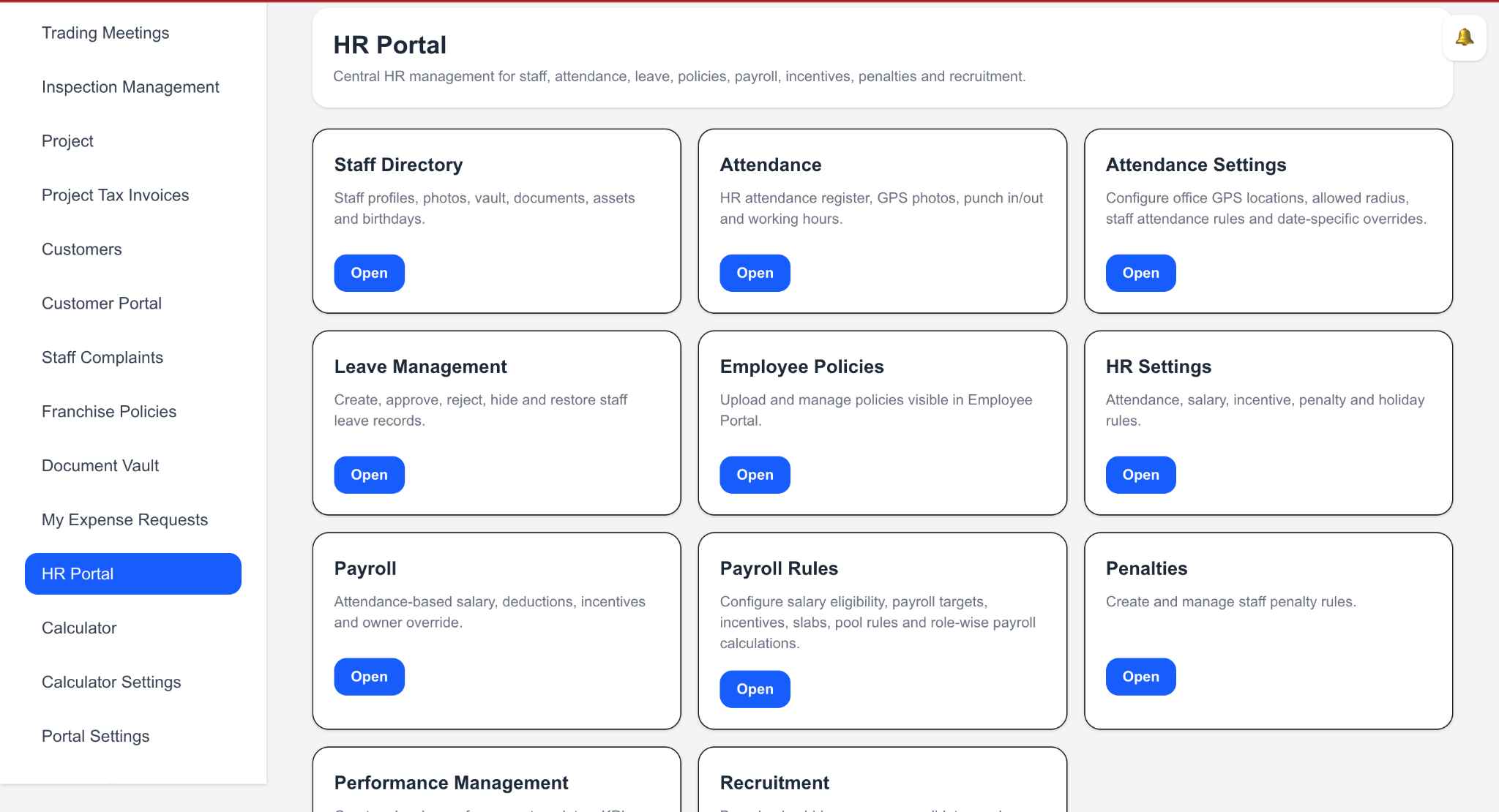
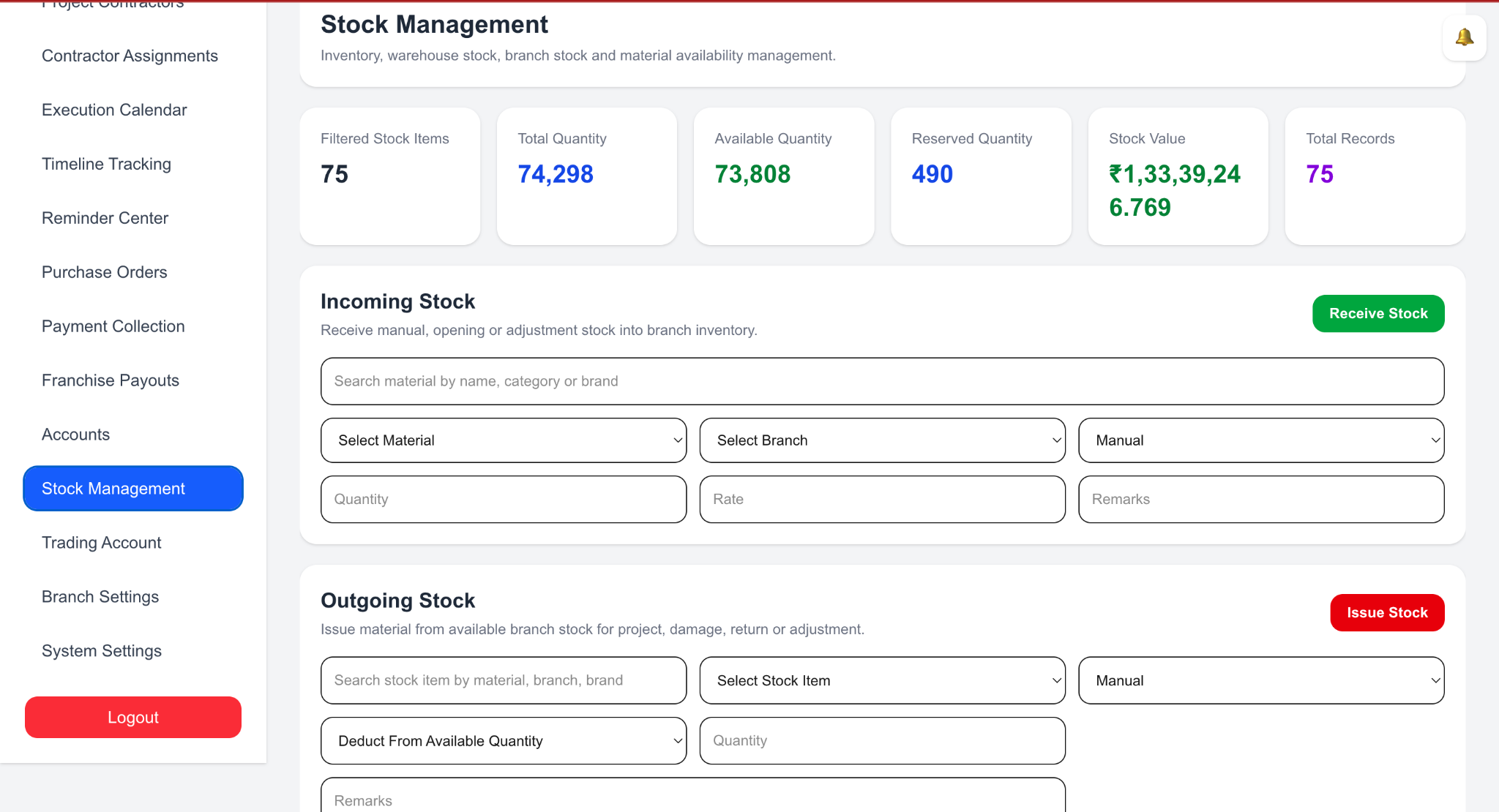
Our enterprise work includes systems where CRM functionality expands into project management, workforce operations, inventory, procurement, finance, customer platforms, dealer platforms, and mobile access.
Complex role and permission structures
Multiple operational departments
Large connected datasets
Field and mobile workflows
Customer-facing applications
Dealer and partner platforms
Continuous production expansion
Different users
Different user groups can have dedicated dashboards, permissions, workflows, portals, or mobile applications while remaining connected to the same business ecosystem.
Business Owners
Management Teams
Sales Teams
Project Teams
HR & Accounts
Field Employees
Customers
Dealers & Partners
Why custom software
Your departments, approvals, responsibilities, reports, and working processes define the software instead of forcing the business into generic software.
CRM, projects, inventory, staff, finance, customers, dealers, and reporting can share information through one connected platform.
Different users can receive different visibility, permissions, actions, approvals, and reporting based on their actual responsibilities.
Start with the modules you need now and introduce additional departments, mobile apps, integrations, analytics, and automation later.
Development process
01
We study users, departments, current systems, workflows, approvals, reports, bottlenecks, and operational requirements.
02
Modules, permissions, database relationships, workflows, integrations, and implementation priorities are structured around those requirements.
03
Features are developed and tested incrementally so working functionality can be reviewed without introducing unnecessary operational risk.
04
The platform moves into production and can continue evolving through maintenance, optimisation, new modules, and integrations.
CRM & ERP FAQ
Custom CRM development means building customer, lead, sales, follow-up, meeting, communication, reporting, and team workflows specifically around the processes of your organisation rather than relying entirely on generic CRM software.
Custom ERP development connects operational areas such as projects, inventory, procurement, staff, finance, documents, approvals, customers, and reporting through a system designed around the organisation.
Yes. CRM and ERP workflows can share users, customers, projects, permissions, business data, reporting, and integrations within one connected architecture.
Yes. A platform can begin with the highest-priority modules and expand later as the business grows or additional requirements become important.
Often yes. The existing architecture can first be reviewed to determine whether new modules, integrations, mobile applications, performance improvements, or workflow changes can be introduced safely.
Yes. Mobile applications can be developed for employees, field teams, customers, dealers, contractors, partners, and other user groups that need dedicated mobile access.
Custom CRM & ERP
Start with your departments, workflows, current problems, users, reporting needs, and business goals. The technical solution can be structured from there.