CRM & ERP
Centralise teams, customers, projects, operations, and reporting.
We design powerful CRM, ERP, mobile, and business management platforms that connect teams, automate workflows, improve visibility, and support real-world operations.
Custom
Built around your workflow
Scalable
Designed for future growth
Secure
Role-based business access
Business Operations Platform
Connected CRM & ERP workspace
Centralise teams, customers, projects, operations, and reporting.
Dedicated apps for customers, staff, dealers, and field teams.
Reduce repetitive work with connected workflows and integrations.
Enterprise Platform
One connected system across departments
Instead of forcing your organisation into generic software, we study your processes, users, approvals, departments, and reporting requirements to build systems that fit your business.
Custom CRM and ERP platforms built around your actual teams, customers, projects, approvals, finance, inventory, and operations.
Secure mobile applications for customers, employees, dealers, contractors, field teams, and business partners.
Connected systems that reduce repetitive work, improve communication, synchronise information, and automate business processes.
Software structure follows the way your organisation operates.
Teams work with shared information instead of disconnected systems.
New users, modules, workflows, and integrations can be added later.
We build connected software ecosystems where departments, customers, staff, projects, finance, inventory, and management can operate through shared workflows and centralised information.
Manage enquiries, leads, meetings, follow-ups, customers, teams, conversion workflows, and sales performance from one connected system.
Key capabilities
Lead and enquiry management
Follow-up and meeting workflows
Role-based team access
Performance analytics
Connect departments, projects, approvals, procurement, payments, documents, inventory, and operational workflows.
Key capabilities
Project lifecycle management
Department workflows
Approval systems
Operational dashboards
Dedicated Android applications for customers, employees, field staff, dealers, contractors, and partner networks.
Key capabilities
Customer applications
Staff and field-force apps
Dealer and partner access
Secure mobile workflows
Give customers, dealers, vendors, franchises, and contractors secure self-service access to relevant information.
Key capabilities
Self-service dashboards
Document access
Complaint tracking
Payment and project updates
Transform operational data into useful dashboards, management reports, performance metrics, and downloadable records.
Key capabilities
Role-specific dashboards
Performance reports
Advanced filters
CSV and spreadsheet exports
Reduce repetitive work through workflow automation, connected services, notifications, and synchronised business information.
Key capabilities
Workflow automation
API integrations
Notifications and alerts
Data synchronisation
Connected architecture
Your business does not need to implement everything at once. Individual modules can be developed first and later connected through shared users, permissions, workflows, reporting, and centralised business data.
Typical expansion
CRM / Core Workflow
Operations & Projects
Inventory & Finance
Mobile & Portals
Analytics & Automation
Need something specific?
Tell us how your departments work, where manual processes create problems, and what information management needs. We can translate those requirements into a connected system.
Technology choices are made according to the actual needs of the product: performance, security, maintainability, mobile access, integration requirements, data volume, and long-term expansion.
Frontend
Responsive interfaces designed for management teams, office users, customers, dealers, and field operations.
Fast, responsive business interfaces
Backend
Structured server-side systems designed for APIs, workflows, permissions, integrations, and complex business logic.
Reliable application architecture
Database
Relational data architecture designed around reporting, relationships, transaction records, and long-term business growth.
Structured and scalable business data
Mobile
Mobile applications for customers, employees, dealers, contractors, field teams, and other operational users.
Business operations beyond the desktop
Cloud & Deployment
Production infrastructure designed for controlled deployments, availability, performance, and maintainable releases.
Production-ready cloud delivery
Security
Application safeguards and access controls are designed into the system instead of being treated as an afterthought.
Access based on real responsibilities
Engineering philosophy
We do not choose technologies because they are fashionable. The architecture should make the software easier to operate, maintain, secure, integrate, and expand throughout its working life.
Code and architecture remain manageable as features, modules, and integrations increase.
New departments, workflows, portals, and applications can be introduced without replacing the platform.
Applications are designed with real datasets, frequent operations, and production usage in mind.
Permissions, protected APIs, controlled sessions, and data visibility are part of the architecture.
Built for future expansion
Additional modules, mobile applications, departments, integrations, analytics, user roles, and automation features can be introduced without rebuilding the entire system from the beginning.
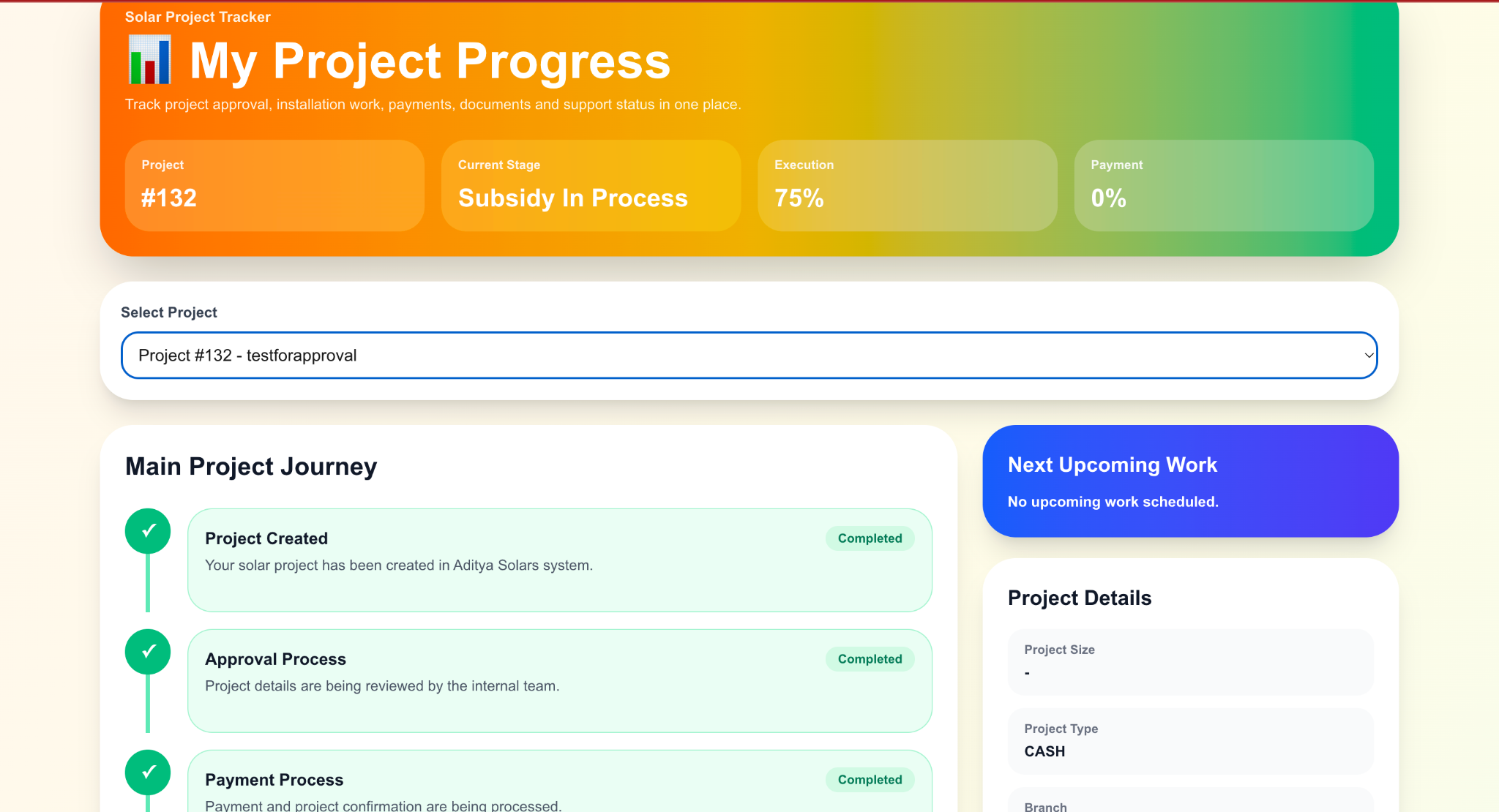
A production business ecosystem connecting internal operations, customers and dealer networks through purpose-built web and mobile platforms backed by shared business workflows.
Platform 01
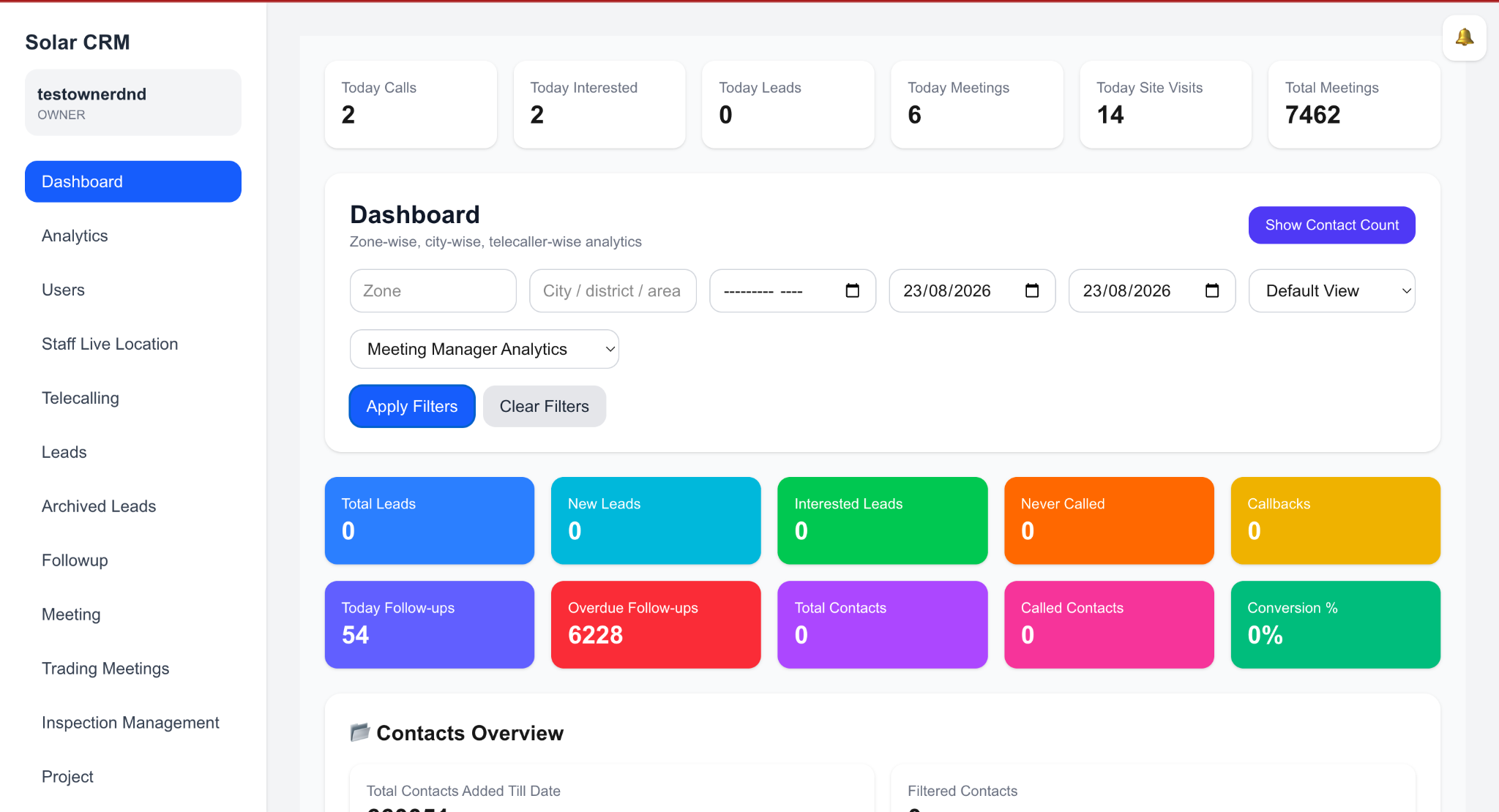
The central operational platform connects departments, employees, projects, customers, finance, inventory and management reporting within one role-based system.
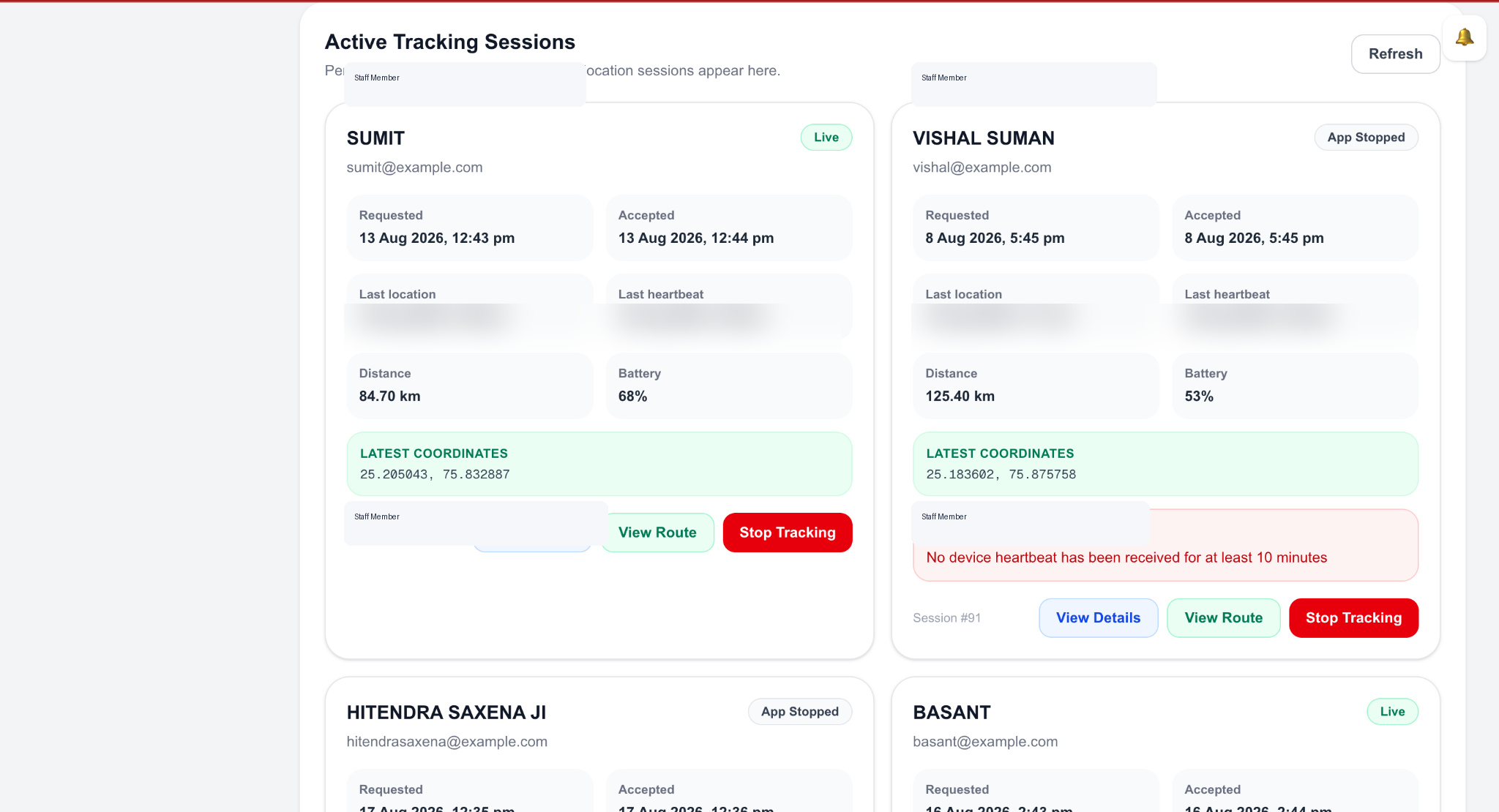
Location tracking and field workforce visibility.
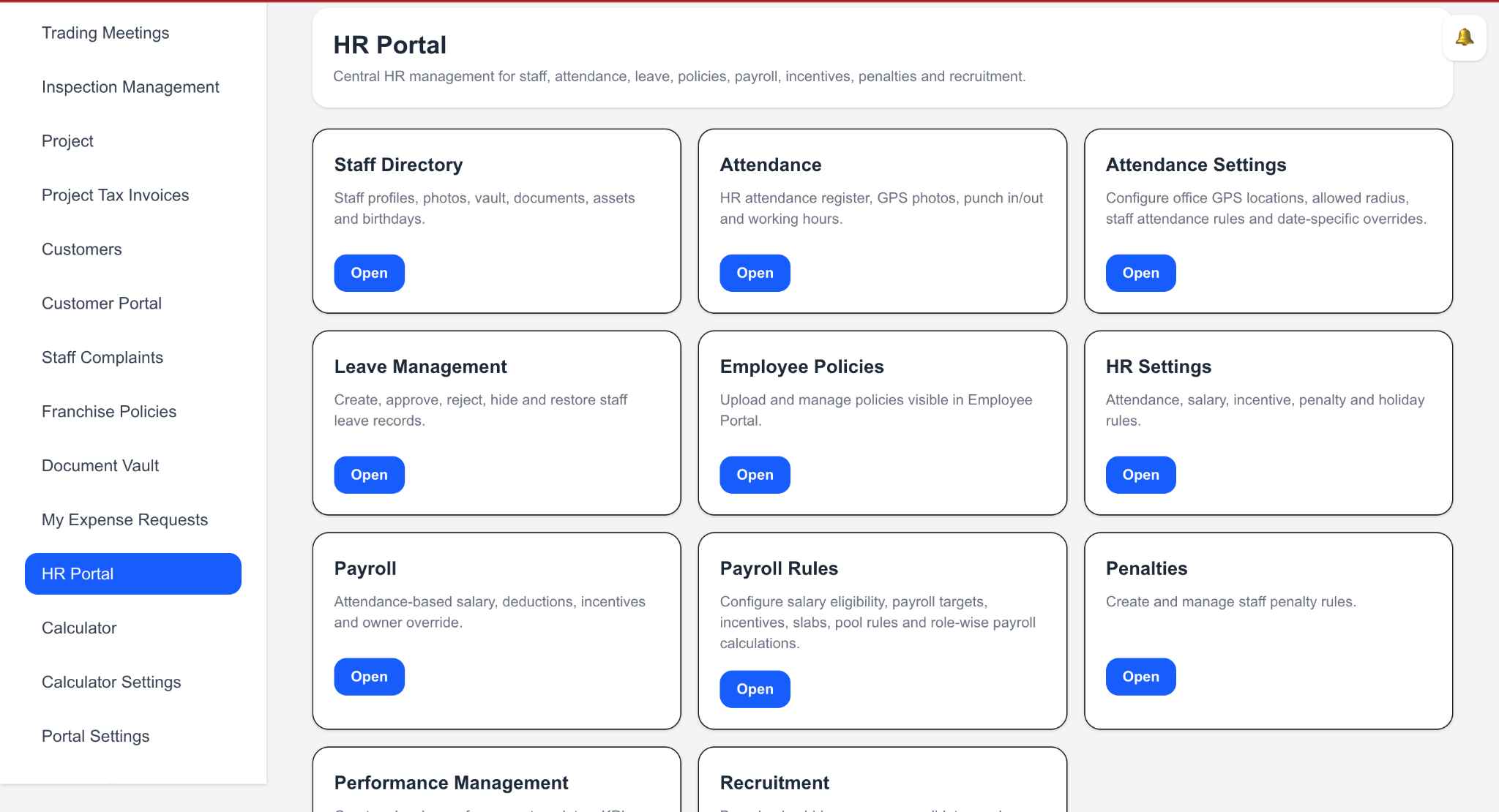
Attendance, payroll, leave, policies and performance.
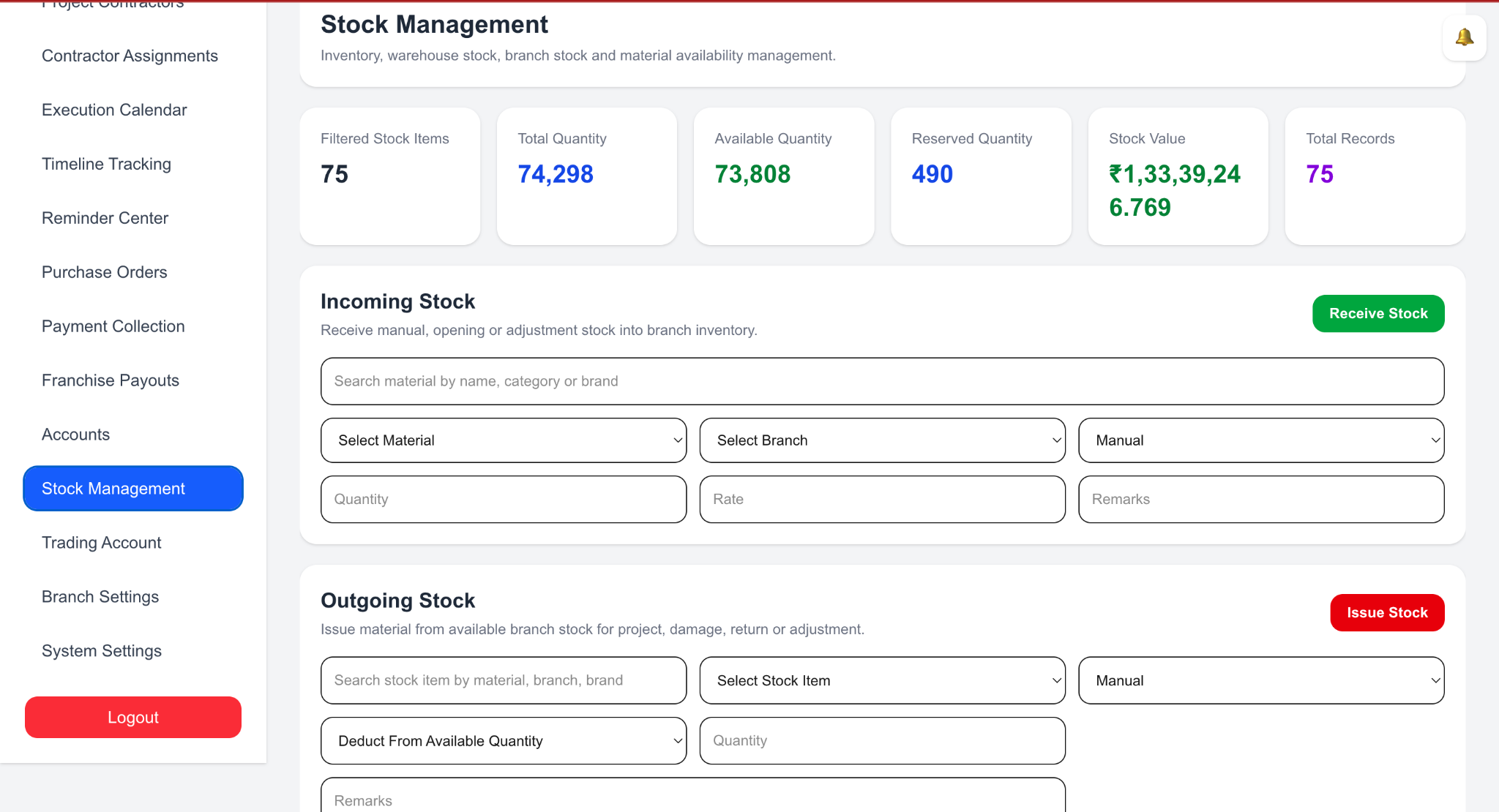
Central inventory, reservations and material movement.
Platform 02
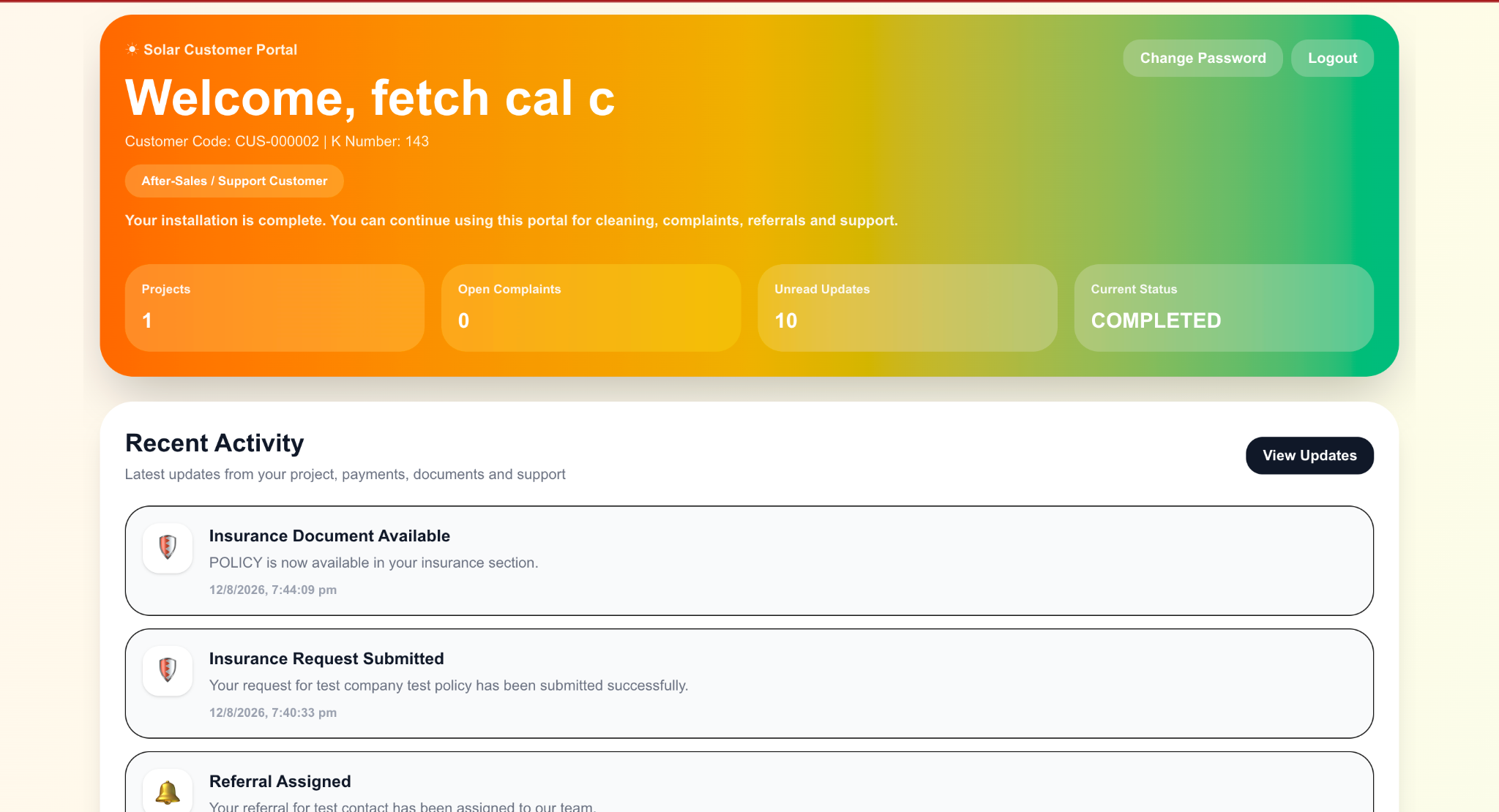
A dedicated customer experience gives users direct visibility into their projects, progress, payments, documents, service requests, complaints and after-sales support.
Platform 03
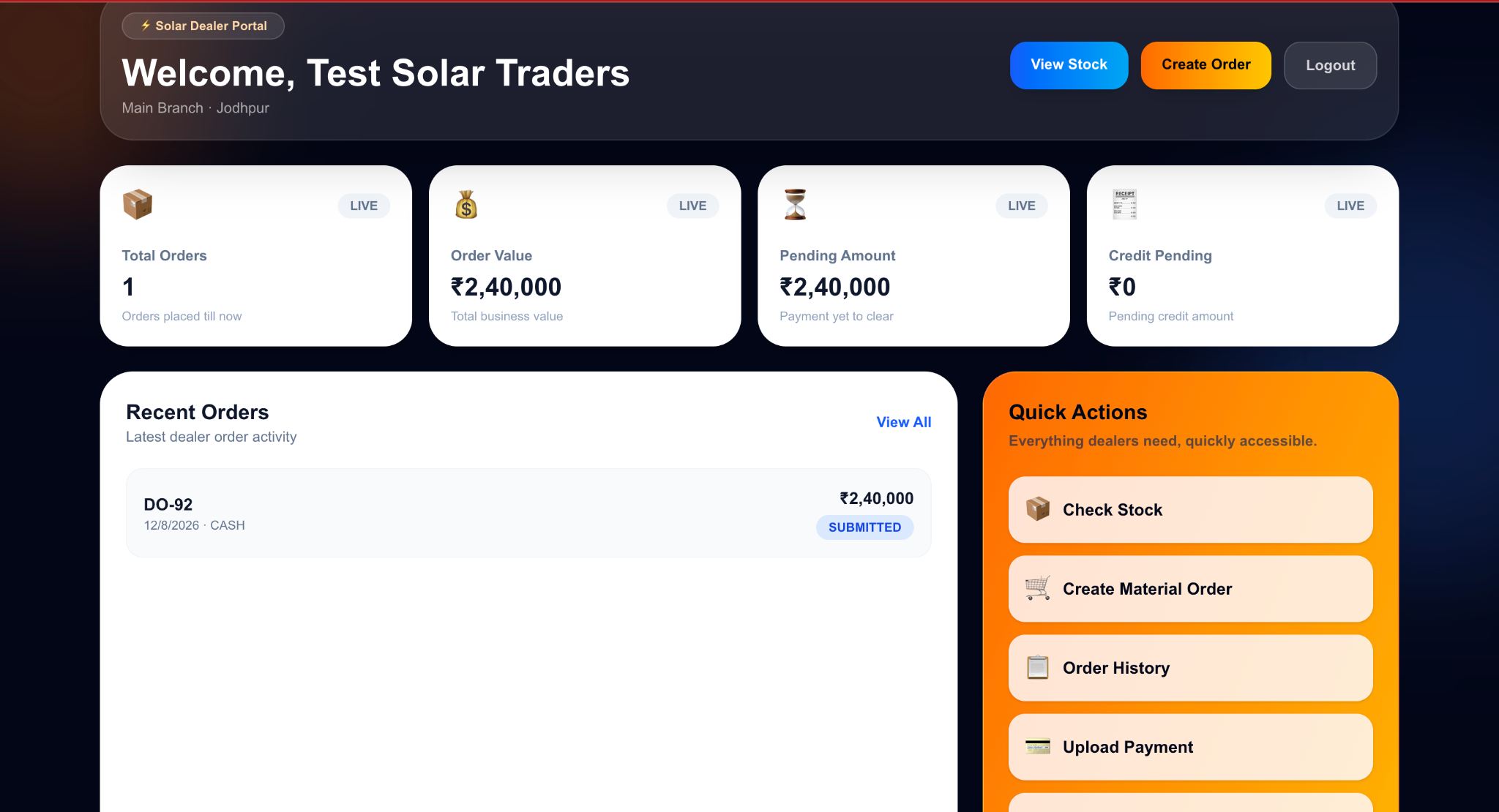
Dealers operate through their own dedicated environment while remaining connected to central inventory, orders, payments, documents and business operations.
Connected architecture
Each platform is designed for a different user group while remaining connected through shared business data, APIs, permissions and operational workflows.
01
CRM & ERP
Management & Operations
02
Customer Platform
Customer Experience
03
Dealer Platform
Dealer Network
Shared Backend • Business Data • APIs • Access Control • Workflows
We can design individual applications or a complete ecosystem connecting employees, customers, partners and business operations.
A successful business platform is not just a collection of features. It should reflect how teams work, how decisions move, how information is controlled, and how the organisation expects to grow.
We first understand the workflow, users, responsibilities, approvals, bottlenecks, and reporting needs before deciding what should be built.
Architecture is planned so new departments, users, workflows, integrations, and mobile applications can be introduced as the organisation expands.
Role-based permissions help ensure that teams work with the information and actions relevant to their responsibilities.
Business software continues changing after launch, so we focus on maintainability, optimisation, support, and controlled feature expansion.
Our working approach
Before building a workflow, we look at who uses it, what information they need, what actions they are allowed to perform, what happens next, and how management needs to monitor the result.
Understand the operation
Design around real users
Develop in manageable stages
Protect stable workflows
Measure production behaviour
Keep improving the platform
Long-term value
Requirements change. Teams grow. New departments appear. Reports become more detailed. Mobile access becomes important. Integrations are added.
The goal is to build a platform that can absorb those changes without becoming fragile or forcing the organisation to start again from zero.
Our principle
Build for today. Architect for what comes next.
We can study your departments, user roles, approvals, reporting requirements, customer journeys, and operational challenges before defining the system that fits them.
Complex business software works best when development is handled in clear stages. We understand the operation first, plan the system carefully, develop incrementally, and deploy with continuity in mind.
We study your business processes, teams, user roles, approvals, reporting needs, current tools, and operational problems before development begins.
Outcome
Clear understanding of the real problem
We define the modules, data flow, permissions, integrations, priorities, and system structure around the actual working requirements.
Outcome
Practical implementation roadmap
Features are developed in controlled stages, reviewed carefully, and tested to protect existing workflows, data, permissions, and user experience.
Outcome
Stable features with controlled rollout
The software is moved into production, monitored, maintained, optimised, and expanded as the organisation continues to evolve.
Outcome
Long-term production continuity
Delivery philosophy
Working business software often contains years of data, active users, existing processes, and important operational dependencies. Improvements should strengthen the system without destabilising what already works.
Development principle
Understand. Build. Test. Deploy. Improve.
Work is divided into clear milestones so important decisions and working features can be reviewed throughout development.
Stable functionality is treated carefully while improvements are introduced in manageable and testable stages.
Performance, permissions, user behaviour, real datasets, and operational reliability are considered throughout development.
The platform can keep evolving after launch through optimisation, new modules, integrations, and workflow improvements.
Have a complex requirement?
Explain how your business currently operates, where problems occur, what information teams need, and what management wants to control. We can structure the technical solution from there.
The strongest results come when software fits the organisation, reduces operational friction, and can continue evolving after launch.
S4Start Technologies understood our operational requirements and translated them into a practical system that connected multiple departments and workflows.
Enterprise Client
Business Operations
The biggest value was not just development. The system continued evolving as new requirements, users, reports, and workflows were introduced.
CRM Client
Management Team
The platform reduced dependency on disconnected spreadsheets and manual tracking by bringing important business processes into one place.
ERP Client
Operations Team
Client names can be added here once approval is available for public use.
A few practical answers for organisations considering a custom CRM, ERP, mobile application, or connected business platform.
We build custom CRM systems, ERP platforms, mobile applications, customer and dealer portals, workflow management systems, dashboards, reporting platforms, and business automation solutions.
Yes. Our approach starts with understanding your departments, users, approvals, reporting requirements, workflows, and operational challenges before defining the system structure.
Yes. A project can begin with a specific module such as CRM, project management, inventory, HR, or customer portals and later expand into a larger connected platform.
Yes. We develop Android applications and mobile-first business experiences for customers, staff, dealers, contractors, field teams, and other operational users.
Yes. Existing working systems can often be extended, optimised, secured, and modernised without replacing the entire platform. The correct approach depends on the current architecture and requirements.
Yes. Business software usually continues evolving after launch, so ongoing maintenance, optimisation, feature development, and controlled improvements can be provided.
Yes. Role-based permissions can be designed so users only see the pages, records, actions, approvals, and reports relevant to their responsibilities.
Start by explaining your current process, the problems you want to solve, the users involved, and the outcome you expect. From there, the requirements and suitable solution structure can be discussed.
Have a requirement that is not covered here?
Ask Us DirectlyStart your project
Tell us about your workflows, users, operational challenges, reporting requirements, and growth plans. We can help define a practical software solution around them.